“Cat A” and “Cat B” are two of the most common terms in commercial property, and two of the most confusing if no one has explained them. Understanding the difference helps you read your lease, budget accurately and know exactly what you are paying for. Here it is in plain English.
Category A: the landlord’s base
A Category A (Cat A) fit-out is the landlord’s basic, lettable finish — a clean, functional shell ready for a tenant to make their own. It typically includes raised floors, suspended ceilings, basic lighting, and the building’s heating, cooling and ventilation. What it does not include is anything that makes the space usable for a specific business: no partitions, no kitchen, no floor finishes you would choose, no furniture, no branding.
Category B: your office
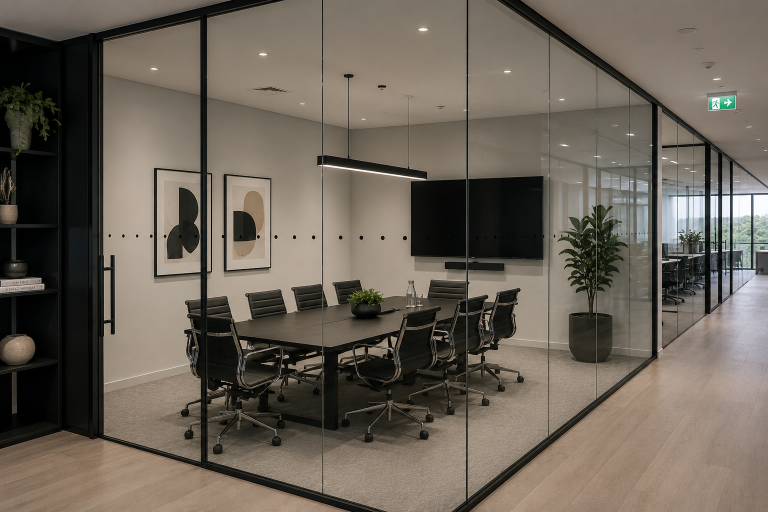
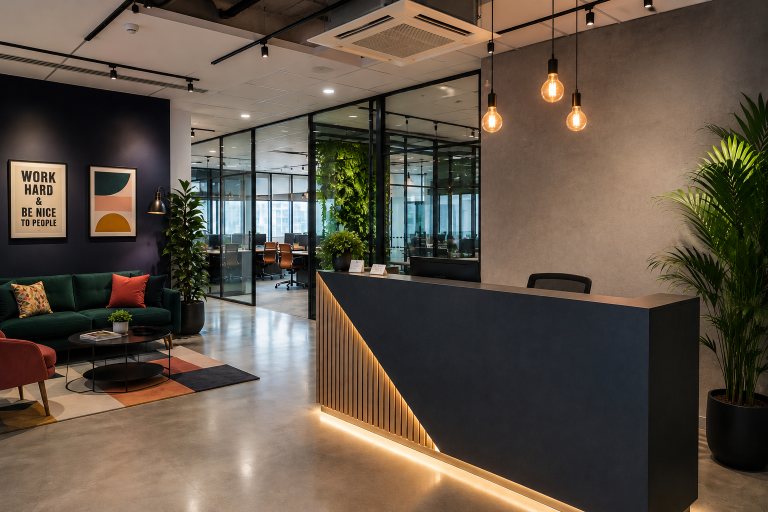
A Category B (Cat B) fit-out takes that blank Cat A space and turns it into your office. This is where your business comes to life:
- Meeting rooms, offices and partitioning
- Your kitchen, tea points and breakout areas
- Floor finishes, decoration and branding
- Feature lighting and supplementary power and data
- Furniture and any specialist spaces you need
Cat B is the part most SMEs mean when they say “fit-out”. It is tenant-led and tailored to how you work.
Who pays for what?
Cat A is usually the landlord’s responsibility, delivered to make the space lettable. Cat B is normally the tenant’s cost — sometimes offset by a rent-free period or a landlord contribution negotiated as part of the deal. It is always worth asking what the landlord will contribute toward your Cat B works.
Where the money actually goes
In a typical Cat B budget, the largest slices tend to be mechanical and electrical works, partitioning and joinery, and furniture. Finishes and decoration matter for the feel of the space but are often a smaller share than people expect. An itemised quote will show you the real split for your project.
The dilapidations connection
Here is the link people miss: at the end of your lease you will usually have to return the space to Cat A condition. That means removing your Cat B fit-out. The more bespoke your Cat B works, the bigger the future reinstatement — so Cat A and Cat B are really two ends of the same story. We explore this in our dilapidations guide.
What this means for your budget
When you budget, be clear about the condition you are starting from. Taking on a fresh Cat A space is cheaper to fit out than a tired second-hand office that needs stripping back first. And on a short lease, a lighter Cat B keeps both your upfront cost and your eventual dilapidations bill down.
Beem Interiors delivers Cat B fit-outs for London SMEs with clear, itemised costs and the end-of-lease picture in mind. Get in touch to plan yours.